One quiet afternoon, I wanted a lightweight scarf that would grow quickly without feeling bulky, so I reached for the treble crochet stitch. Within just a few rows, the fabric became airy, soft, and beautifully draped, making it perfect for warm-weather accessories and elegant wraps.
Treble Crochet (tr)
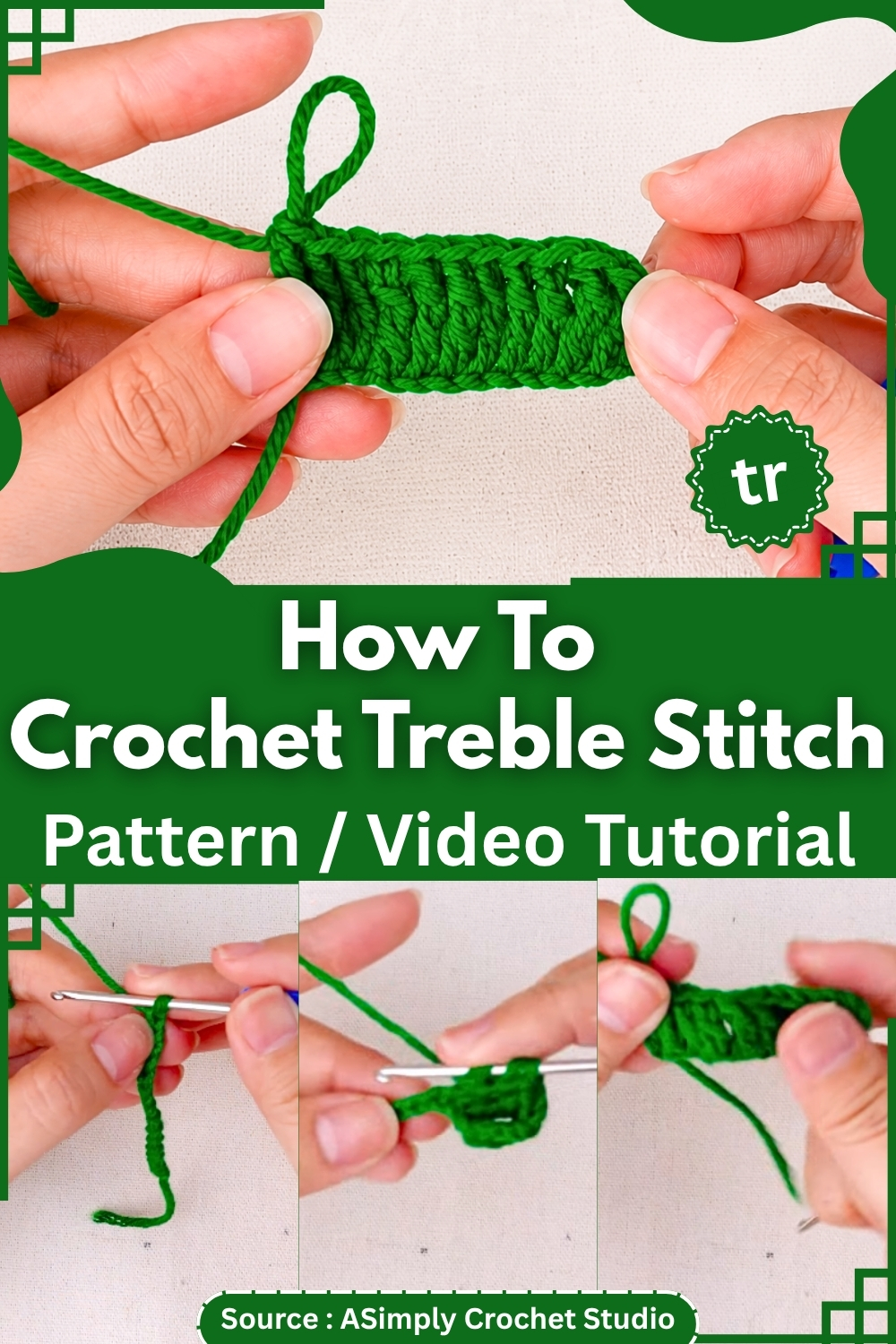
That experience reminded me how a simple change in stitch height can completely transform a project. Treble crochet is wonderfully satisfying because each stitch covers more ground while creating an open, graceful texture. Whether you’re practicing new techniques or starting a larger project, this stitch is a valuable addition to every crocheter’s collection and creative toolkit.
Why I Love This One
Treble crochet works up surprisingly fast while producing a light, flowing fabric that’s perfect for projects where softness and drape really shine.
Materials & Tools
You’ll need:
- Yarn of your choice
- Crochet hook suitable for your yarn
- Scissors
- Yarn needle for weaving in ends
Difficulty
Easy to Beginner-Intermediate
Estimated Time
A small practice swatch can be completed quickly, while larger projects simply repeat the same stitch sequence until they reach the desired size.
Pattern
Abbreviations
- ch = chain
- tr = treble crochet
- st = stitch
- yo = yarn over
Foundation Chain
- Create a foundation chain of your desired length.
- Make sure the chain is loose enough to work comfortably into the stitches.

Row 1
- Yarn over twice.
- Insert your hook into the fifth chain from the hook.
- Yarn over and pull up a loop.
- You should now have 4 loops on your hook.

- Yarn over and pull through the first 2 loops.
- You should now have 3 loops on your hook.
- Yarn over and pull through the next 2 loops.
- You should now have 2 loops on your hook.
- Yarn over and pull through the final 2 loops.
- One treble crochet stitch is complete.
- New to crochet and not sure how to read a pattern yet? The video tutorial below will guide you through it step by step, you’ve got this!

- Yarn over twice.
- Insert your hook into the next chain.
- Repeat the same steps across the entire row.
Continue the Pattern
- Yarn over twice before starting each treble crochet stitch.
- Work 1 treble crochet into each chain or stitch across the row.
- Repeat the process to create additional rows as needed for your project.
Finishing
- Cut the yarn, leaving a tail long enough for weaving in.
- Pull the yarn tail completely through the loop on your hook.
- Pull gently to secure the stitch.
- Weave in all loose ends with a yarn needle.
Tips & Troubleshooting
- Keep your yarn overs relaxed so your hook moves smoothly through each loop.
- Count your stitches regularly to maintain straight, even edges.
- Practice the pull-through sequence slowly until the movement becomes comfortable.
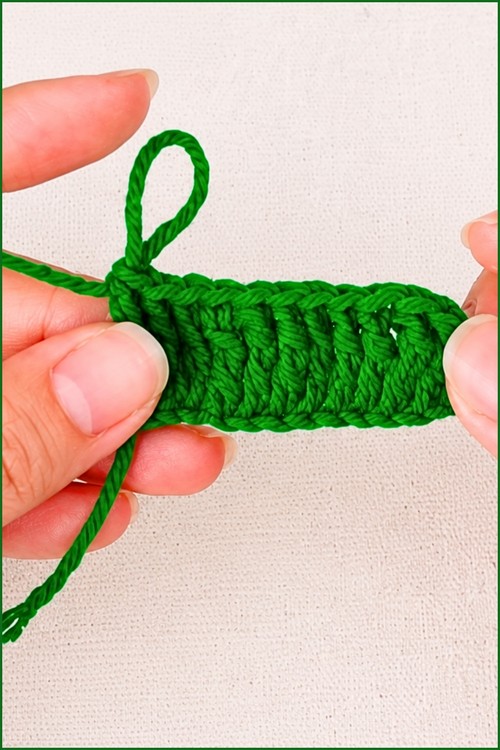
- Remember that treble crochet stitches are taller than double crochet stitches, giving the fabric a lighter and more open appearance.
- This stitch is an excellent choice when you want projects to grow quickly with beautiful drape.
Yarn Suggestions
Treble crochet works beautifully with cotton, acrylic, wool, and blended yarns. Smooth yarns make it easier to see the tall stitch structure, while lightweight fibers emphasize the airy fabric created by this stitch. Choose a yarn weight that suits your project and always pair it with an appropriately sized hook.
Customization Ideas
- Create lightweight scarves with elegant drape.
- Make airy summer shawls.
- Crochet breathable blankets with open texture.
- Use treble crochet for decorative borders.
- Alternate treble crochet with shorter stitches to create interesting textured patterns.
Frequently Asked Questions
Is treble crochet taller than double crochet?
Yes. Treble crochet includes an extra yarn over before inserting the hook, making it taller and creating a more open fabric.
Why does my fabric look uneven?
Uneven tension is usually the cause. Try keeping your yarn overs loose and maintaining the same hand position throughout each row.
What projects are best for treble crochet?
Treble crochet is ideal for shawls, scarves, wraps, lightweight blankets, decorative edgings, and garments that benefit from soft drape.
How can I make the stitch easier to learn?
Practice each pull-through step slowly at first. Once the sequence becomes familiar, the stitch develops a smooth rhythm and becomes much faster to work.


