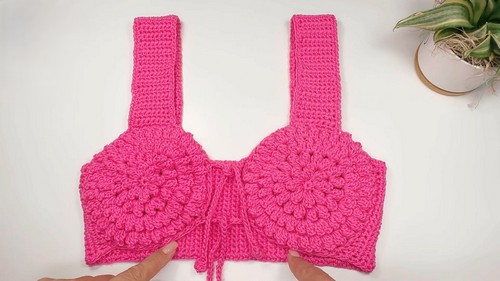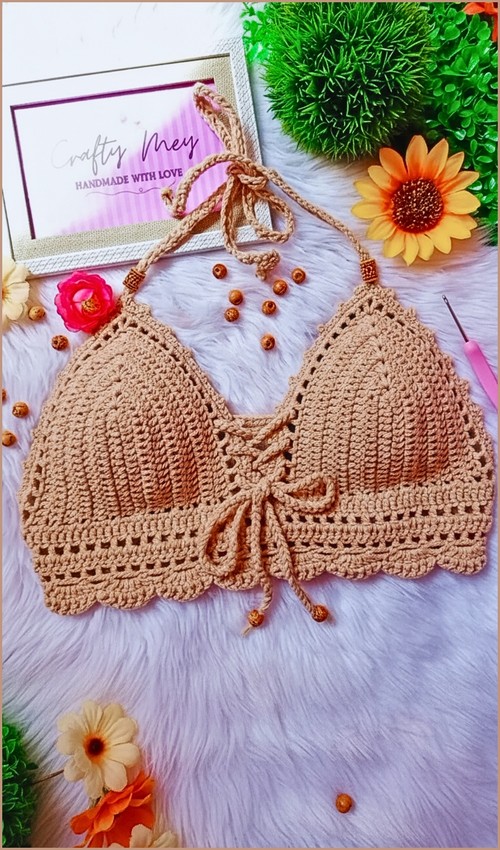
Some ponchos look effortless, but the comfort comes from how the squares are arranged and joined. This Crochet Granny Square Top With Sleeves is built from long, straight panels rather than a heavy all over join, which keeps the fabric flexible and lets the garment drape instead of sitting stiffly on the shoulders. Once you understand how the squares grow, how the panels line up, and why the seams stop where they do, the whole poncho feels calm and predictable to make.
Crochet Granny Square Top With Sleeves

Materials
- 6 mm crochet hook
- Yarn in your chosen colors
- Scissors
- Steamer for blocking optional
Create the Granny Squares
- Make a total of 10 large granny squares
- Start with a slip knot and chain 4, then slip stitch into the first chain to form a ring or use a magic circle
- Chain 3 to count as the first double crochet and work 2 double crochets into the ring
- Chain 2 and work 3 double crochets into the ring
- Repeat until you have four clusters, then chain 2 and slip stitch to the top of the starting chain
- Chain 3 and work 2 double crochets into the same corner space
- In each corner space work 3 double crochets, chain 2, 3 double crochets
- Continue around and finish the round with a slip stitch
- Work additional rows by placing 3 double crochets in each side space
- In every corner work 3 double crochets, chain 2, 3 double crochets
- Continue until each square has 10 to 11 rows
- Change colors by fastening off at the end of a row and attaching the new color in a corner space

Square sizing and consistency
- All ten squares should be as close in size as possible.
- Even a small difference adds up once they are joined in a straight line.
- If your squares start to ripple, your tension may be too loose.
- If they pull inward, the corners may need a little more space.
- Keeping the same hook and steady tension across all squares matters more than the exact row count.
Color changes
Changing colors at the end of a row keeps corners clean and avoids visible jogs. Attaching the new color in a corner space hides joins naturally because corners already hold extra stitches.
Join the Squares into Panels
- Arrange the squares into two panels with 5 squares in a straight line per panel
- Place two squares with right sides facing each other
- Attach yarn at a corner and slip stitch through the back loops only of both squares
- Join all five squares to complete one panel
- Repeat to create the second panel
Why back loop only joins work well here
- Joining through the back loops only creates a subtle ridge on the wrong side while keeping the right side smooth.
- This adds structure without stiffness and helps the panels bend easily over the shoulders.
Panel layout clarity
- Each panel is long and narrow.
- This shape is what gives the poncho its relaxed drop instead of a boxy feel.
- Take a moment to double check orientation before joining so all squares face the same direction.

Assemble the Poncho
- Place the two panels on top of each other with right sides facing in
- Sew along the top edges, leaving the center square open for the head opening
- Stitch from the outer edge inward toward the neck opening
- Try the poncho on to decide how large you want the arm openings
- Sew the side seams starting one or two clusters away from the corners to keep the fit relaxed
Fit and sizing guidance
- The head opening sits at the center where the two panels meet.
- Leaving a full square open creates an easy, comfortable neckline.
- Sewing from the outer edge inward helps keep both sides even.
For arm openings, stopping one or two clusters away from the corners prevents the poncho from feeling tight across the upper arms and keeps the sides fluid when you move.

Adjusting fit
- If you want a looser poncho, sew fewer side clusters.
- For a slightly more structured shape, sew a bit closer toward the corner.
- Trying it on before closing the seams is the best way to judge comfort.
Borders and Finishing
- Attach yarn to the neckline and work one round of half double crochets evenly around
- Attach yarn to the bottom edge and work two rounds of double crochets
- For the scalloped edge work 1 single crochet, skip 1 stitch, 5 double crochets in the next stitch, skip 1 stitch and repeat around
- Repeat the same scalloped edge around both arm openings
- Weave in all ends securely
- Steam block the poncho gently to improve drape and shape
Border purpose and flow
- The half double crochet neckline round smooths the opening and makes it comfortable against the skin.
- The double crochet rounds at the bottom add weight, helping the poncho hang straight.
- The scalloped edge adds movement without overwhelming the simple square structure.

Blocking notes
- Steam blocking is optional but highly recommended.
- It relaxes the stitches, softens joins, and helps the panels settle into a clean, even drape.
- Avoid pressing directly on the fabric.
- Let the steam do the work.
Beginner Notes
- Count your corner chains carefully on every square to keep them square.
- Lay finished squares flat before joining to catch size differences early.
- Use stitch markers at panel centers if you tend to drift when sewing seams.
Troubleshooting
- Poncho feels stiff: Try steam blocking or using a looser tension on borders.
- Panels twist: Check that all squares were joined in the same orientation.
- Neck opening feels tight: Remove a few stitches from the neckline round or block gently to relax the fabric.
Final Thoughts
- This poncho relies on simple stitches, but the comfort comes from smart construction and thoughtful finishing.
- Taking time with square size, panel joins, and seam placement makes the finished piece feel intentional and wearable rather than bulky.